Understanding the African Armyworm Outbreak in South Africa:
Implications and Control Measures
Gauteng, Mpumalanga, and Limpopo provinces. This pest significantly threatens agriculture, affecting pastures and certain crops. Understanding the nature of this infestation and implementing effective control measures is crucial for farmers and landowners.
What is the African Armyworm?
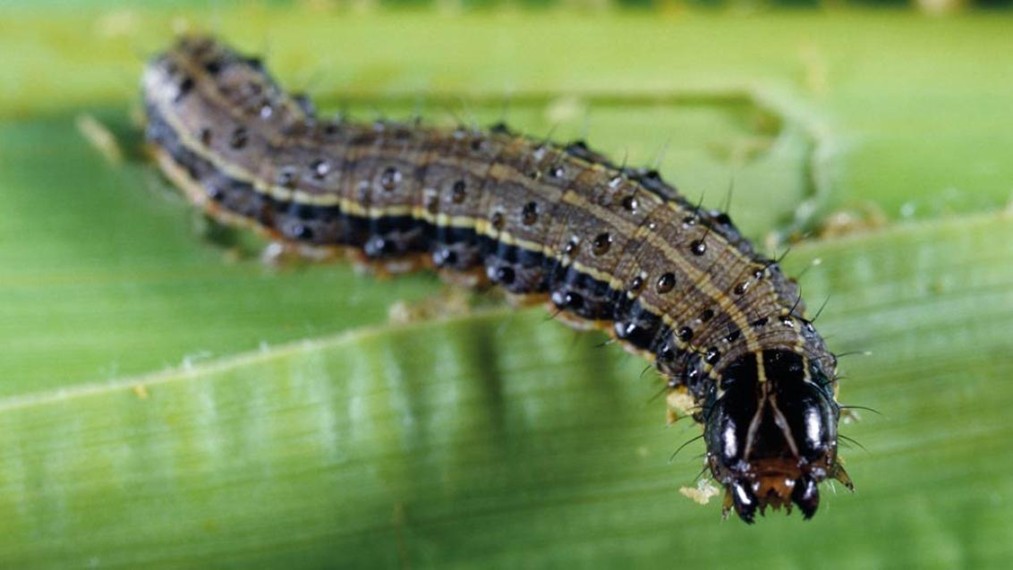
The African armyworm is a migratory moth species whose larvae feed predominantly on grasses, such as Kikuyu, and can also affect grains like maize and millet. These pests are known for their rapid spread and voracious appetite, leading to substantial agricultural damage if not managed promptly.
Recent Outbreak Details
Outbreaks have been reported in areas including Groblersdal in Limpopo, Carolina, Badplaas in Mpumalanga, Pretoria North and Bronkhorstpruit in Gauteng. The moths are typically carried by winds from Central Africa, entering South Africa to lay eggs and breed before dying out before winter. While such outbreaks are relatively common, their severity varies based on the scale of infestations in Central Africa. This season’s infestation appears to be small so far, and with colder weather approaching, fewer reports are expected.
Impact on Agriculture
Pastures are most at risk, especially kikuyu grass, which can release cyanide-like chemicals when attacked, rendering it toxic to cattle. Livestock farmers are advised to remain vigilant, as cattle can become ill, and large areas of pastureland may be devastated by these so-called ‘commando worms’. Maize farmers with crops beyond the tasselling stage have less cause for concern, as the African armyworm prefers younger, tender maize plants, especially when its usual pasture food is scarce.
Control Measures
Effective management of the African armyworm involves several strategies:
- Chemical Control: Applying synthetic pyrethroid insecticides can be practical; however, large-scale spraying may not be cost-effective due to the large areas affected.
- Biological Control: Utilizing natural predators and parasitoids can help manage armyworm populations. Certain parasitoid wasps have been identified as effective biological control agents against related armyworm species.
- Cultural Practices: Regular field monitoring, early planting, and intercropping with non-host plants can reduce the risk of infestation. Implementing these practices can disrupt the armyworm’s life cycle and minimize crop damage.
How Skitterblink Pest Control Can Assist
Skitterblink Pest Control specializes in providing comprehensive pest management solutions tailored to your specific needs. Our team of experts is equipped to assess your situation and implement effective strategies to prevent or manage African armyworm infestations.